 English
 日本語
日本語 русский
 Español

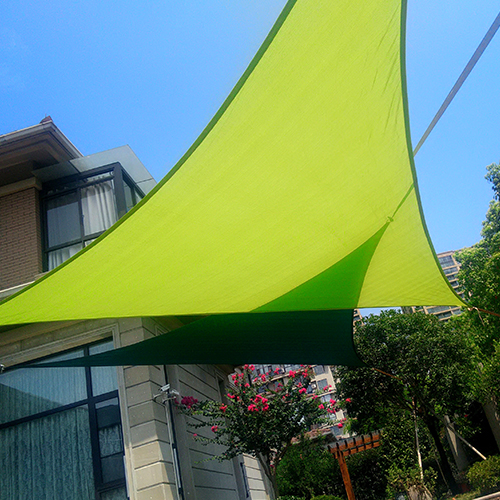
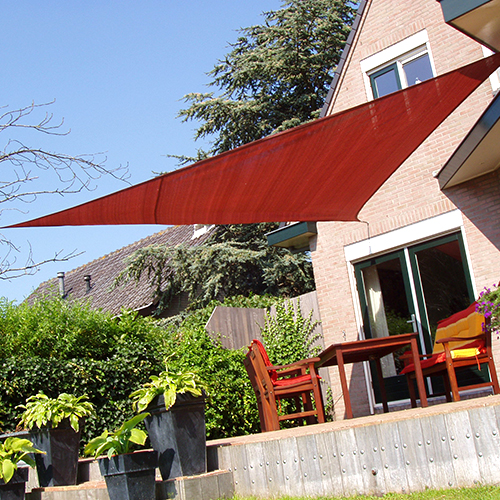
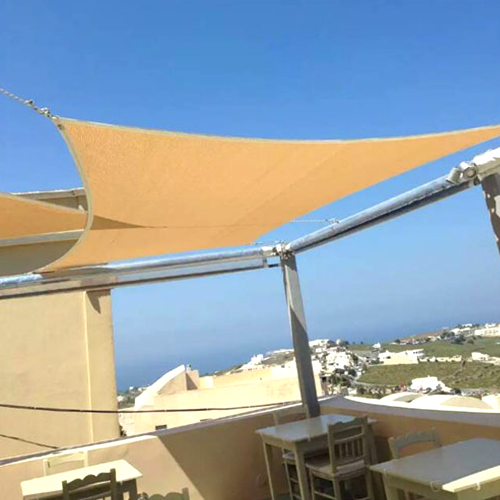
Customer expresses intent; Communicate between the two parties; Provide analysis reports to customers; Reach a cooperation intention.
Content
- 1 The Short Answer: Where to Place a Carport
- 2 Driveway Access and Traffic Flow
- 3 Zoning Laws, Setbacks, and Permits
- 4 Sun Orientation: Protecting Your Vehicle from Heat and UV
- 5 Wind Direction and Weather Protection
- 6 Ground Conditions and Drainage
- 7 Attached vs. Detached Carport Placement
- 8 Side Yard, Front Yard, or Backyard: Comparing Locations
- 9 Utility Lines, Trees, and Underground Hazards
- 10 Carport Placement for Multiple Vehicles or Special Uses
- 11 How Carport Placement Affects Property Value
- 12 Step-by-Step Placement Decision Process
- 13 Common Placement Mistakes to Avoid
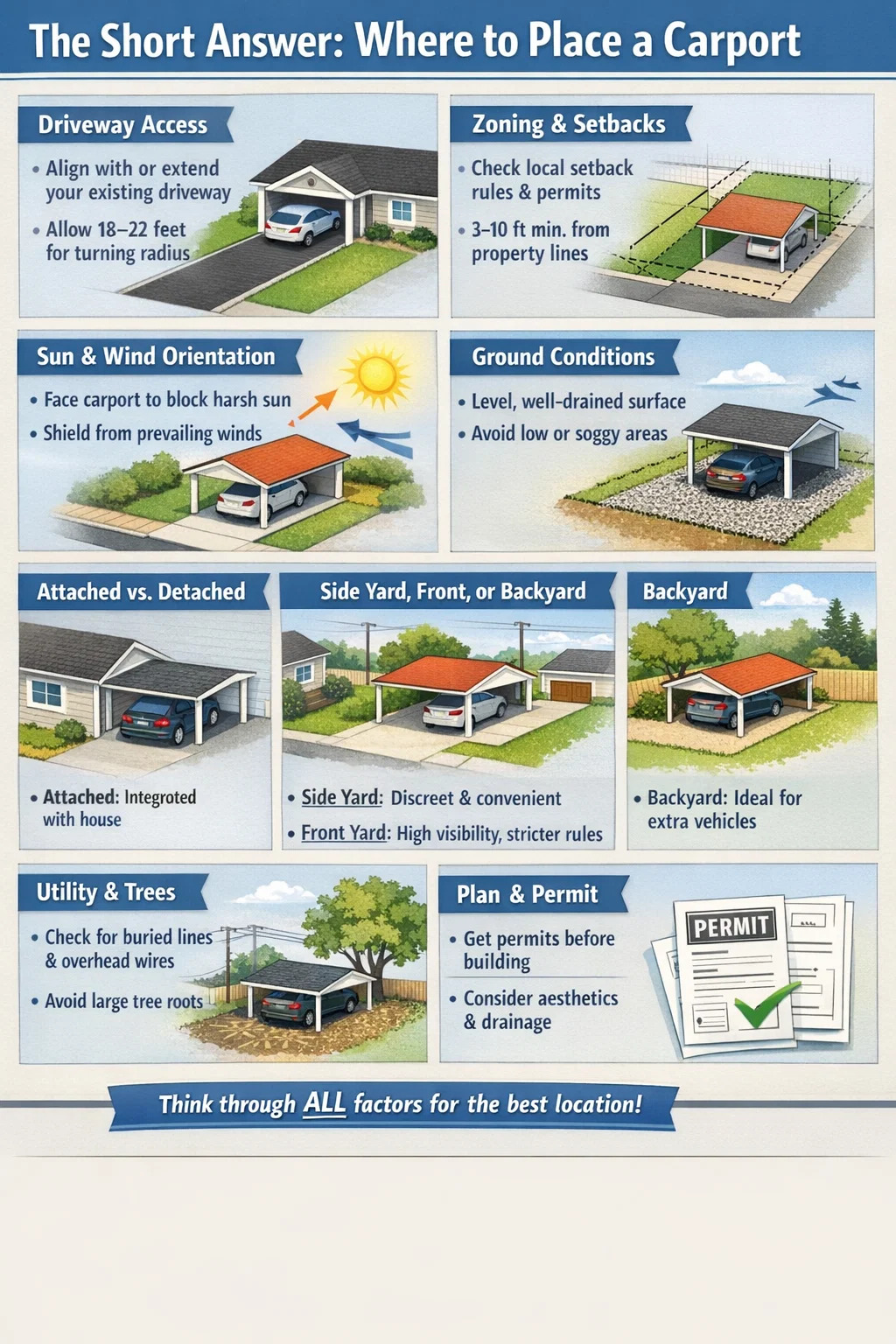
The Short Answer: Where to Place a Carport
A carport should ideally be placed on the side or front of your home closest to the street or driveway access point, on level or gently sloping ground, with its open sides oriented to minimize direct sun exposure and prevailing wind. It must comply with local zoning setback rules — typically no closer than 3 to 10 feet from property lines — and should sit on a firm, well-drained surface such as concrete, asphalt, or compacted gravel.
That said, carport placement is rarely a one-size-fits-all decision. Your lot shape, existing structures, climate, vehicle count, and local building codes all play a role. This guide breaks down every factor you need to consider before committing to a location.
Driveway Access and Traffic Flow
The most practical starting point is your existing driveway. Placing the carport so it aligns with or extends your driveway eliminates the need for additional paving and keeps vehicle access straightforward. If you already have a concrete or asphalt drive, a carport positioned at its end or along its length can save you $1,000 to $3,000 in new surface costs.
Think about turning radius. A standard passenger car needs roughly 18 to 20 feet of maneuvering space to enter a carport cleanly without reversing multiple times. Trucks and SUVs may require 22 feet or more. If your driveway is narrow or comes in at an angle, the carport must be positioned with that approach geometry in mind.
For properties with a side-entry garage or an L-shaped driveway, a detached carport placed parallel to the main building often works better than one perpendicular to the road. This orientation also tends to look more integrated with the home's architecture.
Zoning Laws, Setbacks, and Permits
Before you finalize any location, check with your local planning or building department. Carports — even open-sided ones — are typically classified as accessory structures and subject to setback requirements, which define minimum distances from property lines, roads, and other buildings.
Common setback rules in the United States range from:
- 3 to 5 feet from side or rear property lines in residential zones
- 10 to 25 feet from the front property line or street edge
- 6 feet or more from the main dwelling, depending on fire codes
In some municipalities, a carport attached to the house is treated as part of the primary structure, triggering stricter requirements. A detached carport, by contrast, may qualify as an accessory structure with more lenient rules. Always verify this distinction locally.
HOA rules can be even more restrictive than local codes. Some associations prohibit front-yard carports entirely, require specific materials or colors, or mandate that carports not be visible from the street. Violating these rules can result in fines or forced removal — so confirm all restrictions before purchasing materials or breaking ground.
Permits are frequently required for carports larger than 200 square feet or those with footings. Building without a required permit can create problems when you sell the property or make insurance claims.
Sun Orientation: Protecting Your Vehicle from Heat and UV
One of the main reasons people install a carport is to shield their vehicle from solar heat and UV degradation. Dashboard plastics crack faster, paint fades, and interior temperatures can exceed 160°F (71°C) in a car parked in direct sun on a hot day. A well-oriented carport dramatically reduces all of these effects.
In the Northern Hemisphere, the sun travels across the southern sky. This means:
- A carport with its open sides facing north and south will allow low-angle morning and evening sun to enter from the east and west — acceptable in most climates.
- Opening facing east-west allows the high midday sun from the south to be blocked by the roof, making this the most protective orientation in hot climates.
- In Southern Hemisphere countries like Australia, reverse the logic — orient to block northern sun exposure.
If you live in a hot, arid climate such as Arizona or Nevada, prioritizing shade over convenience is justified. In cooler northern climates like Canada or the northern US, a south-facing opening may actually be desirable in winter — it allows passive solar warming and helps melt snow and ice from the vehicle.
Wind Direction and Weather Protection
A carport cannot protect from all wind-driven rain or snow, but smart placement significantly reduces exposure. Identify your area's prevailing wind direction — in much of North America, this is typically from the southwest. Positioning the carport so its closed or most solid side faces into the prevailing wind creates a natural windbreak.
Placing a carport on the lee side of a building (the side sheltered from the wind) also helps. If your house runs east-west and the wind comes from the west, a carport tucked against the east side of the house benefits from the building's own wind shadow.
In regions prone to hurricanes or severe storms, wind load ratings become critical. A freestanding carport placed in an exposed open area of the yard will experience higher uplift forces than one placed adjacent to a building or surrounded by mature trees. Metal carport kits rated for 90 mph or 130 mph winds are available and may be code-required in coastal zones — but placement still matters for long-term structural integrity.
Ground Conditions and Drainage
A carport placed on unstable, poorly drained, or low-lying ground will develop problems quickly. Water pooling under the structure damages the carport's posts, attracts pests, and can compromise any foundation footings over time.
Ideal Ground Conditions
- Level or slightly sloped: A slope of 1–2% (about 1 inch of drop per 8 feet) allows water to drain away naturally without pooling.
- Firm subsoil: Sandy loam or clay-based soils compacted to at least 95% proctor density support concrete slabs and post footings well.
- Away from tree roots: Large trees within 10 feet can heave concrete pads and destabilize footings over time.
Surface Material Options
| Surface Type | Avg. Cost per sq ft | Drainage | Durability |
|---|---|---|---|
| Concrete | $6–$12 | Good (with slope) | Excellent (30+ yrs) |
| Asphalt | $3–$7 | Good (with slope) | Good (15–20 yrs) |
| Compacted Gravel | $1–$3 | Excellent | Moderate (needs topping) |
| Pavers | $10–$20 | Very Good | Excellent (40+ yrs) |
If you're building on a slope steeper than 5%, consider grading the area first or using adjustable-height post systems to compensate for elevation changes rather than fighting poor drainage later.
Attached vs. Detached Carport Placement
One of the biggest decisions is whether the carport will be attached to your home or stand as a separate structure. Each approach has different placement implications.
Attached Carport
An attached carport shares one or more walls with the house. It's typically placed along the side of the home nearest the street or along an existing garage wall. The advantages include:
- Covered walkway directly into the home — especially convenient in rain or cold climates
- Shared roofline reduces material cost by 15–25% compared to a fully freestanding structure
- Potentially easier permitting since it can be classified as an addition
Drawbacks include the need to tie into the existing roof structure correctly (to avoid water intrusion at the junction), and the fact that the home wall becomes a permanent element of the carport — which limits future reconfiguration.
Detached Carport
A detached carport sits independently, connected to the home only by a driveway. Placement is more flexible — it can go at the end of the drive, along the side of the property, or even in a backyard for a recreational vehicle. Key advantages:
- No impact on the home's structure or weatherproofing
- Can be relocated or sold separately
- More placement options across the property
The main disadvantage is exposure — without the house providing a windbreak on one side, the carport must be designed and anchored to handle full exposure to wind and weather from all directions.
Side Yard, Front Yard, or Backyard: Comparing Locations
The three most common placement zones each come with distinct advantages and trade-offs.
Front Yard Carport
A front yard carport is convenient for daily use but may be subject to the most stringent aesthetic and zoning restrictions. It's the most visible option from the street, so HOA rules and neighbor expectations often come into play. In suburban neighborhoods, front-yard carports are sometimes prohibited or require specific design approval. If allowed, setbacks from the street of 15–25 feet are common. Choose materials that complement the home's exterior to minimize visual impact.
Side Yard Carport
This is the most popular placement for homeowners who want convenience without the visual prominence of a front-yard installation. A side yard carport slots naturally alongside the home, often connecting to a side door or internal passage. Side yard widths vary significantly — you generally need at least 12 feet of clearance for a single-car carport, or 20–24 feet for a double. Narrower side yards may only accommodate a lean-to style carport attached to the house wall.
Backyard Carport
Backyard placement makes sense for RVs, boats, trailers, or second vehicles that don't need daily access from the front. It's typically subject to less restrictive visual guidelines. However, rear setbacks of 5–10 feet are still standard, and you may need a proper driveway or access route along the side of the property — which adds to the overall project cost. Backyard carports are also more likely to require a gate or fence modification to allow vehicle entry.
Utility Lines, Trees, and Underground Hazards
Before digging any post holes or pouring footings, call your local utility locating service. In the US, 811 is the national "Call Before You Dig" number — calling is free and legally required in most states before any excavation. Underground gas, water, electrical, and telecommunications lines can run through residential yards without obvious surface indicators.
Overhead utility lines pose a height clearance concern. A standard carport roof sits 7 to 9 feet high, but RV carports may reach 14 feet or more. Maintain a minimum clearance of 10 feet from any overhead power line — or more if local codes specify. If overhead lines cross the intended area, you may need to work with your utility company to reroute or temporarily de-energize them.
Mature trees deserve careful consideration. Root systems of large trees can extend 2–3 times the width of the canopy, meaning a tree 20 feet tall may have roots reaching 40–60 feet outward. Placing post footings in this zone risks damaging roots, which can destabilize the tree and eventually crack the concrete. Falling branches over the carport roof are also a maintenance hazard.
Carport Placement for Multiple Vehicles or Special Uses
If you need to shelter more than one vehicle — or a non-standard vehicle like an RV, boat, or motorcycle — placement planning becomes more involved.
Double or Triple Carport
A standard double-car carport is 20 to 24 feet wide and requires a wider driveway approach. For three cars, you're looking at 30–36 feet of width. On narrower lots, a tandem (end-to-end) arrangement may be necessary — this requires a longer carport (typically 40–50 feet deep) and is best placed along the side of the lot to avoid blocking street views.
RV Carport
RV carports need significantly more space than standard car carports. A Class A motorhome can be 40–45 feet long, 8.5 feet wide, and 13 feet tall. The carport structure needs to be at least 2–3 feet taller than the vehicle and wide enough to allow side-access for hookups and maintenance. RV carports are almost exclusively placed in the backyard or side yard due to their size, and long driveway runs are often needed for access.
Motorcycle or Bicycle Shelter
Smaller shade structures for motorcycles or bicycles can be placed almost anywhere on the property with minimal regulatory concern. A compact lean-to carport against a fence or outbuilding is often sufficient — requiring only 6–8 feet of width and 8 feet of height. These are often placed near a rear or side entrance for security and convenience.
How Carport Placement Affects Property Value
A well-placed, properly permitted carport can add measurable value to a property. According to data from real estate research, covered parking adds an average of $5,000 to $10,000 to a home's resale value in markets where off-street parking is scarce or weather is extreme. In hot climates like Texas or Arizona, carports are viewed as high-value amenities because residents know the cost of sun damage to vehicles.
Placement matters to appraisers and buyers alike. A carport that blocks natural light from entering the home, sits awkwardly in the front yard without design consideration, or was clearly built without permits can actually reduce buyer interest or flag compliance issues during a home inspection.
For maximum value, the carport should:
- Be placed so it enhances rather than clutters the property's appearance
- Use materials that match or complement the home
- Have all required permits on file
- Not obstruct access to any existing features like doors, windows, or paths
Step-by-Step Placement Decision Process
To bring all the above factors together, here is a practical sequence to follow when deciding exactly where to place your carport:
- Check local zoning and HOA rules first. Identify all setbacks and any appearance requirements before investing time in other planning steps. This eliminates many locations immediately.
- Map your driveway and entry points. The most convenient carport location is almost always one that requires minimal changes to your existing access route.
- Assess the ground. Walk the shortlisted areas after a rain. Any spot that collects standing water is a problem site unless you're prepared to regrade or install drainage.
- Note sun and wind patterns. Observe where shade falls in the afternoon — your hottest sun exposure period. Orient the carport to block the worst of it.
- Call 811 to mark underground utilities. Do this before any staking, digging, or post hole planning.
- Check overhead clearances. Measure the height of any overhead lines crossing or near the candidate location.
- Consider the visual impact. Walk to the street and look at the location from a buyer's perspective. Will the carport complement or clutter the property?
- Confirm permit requirements and apply early. Permit processing can take 2–8 weeks in many areas. Start this process before ordering materials.
Common Placement Mistakes to Avoid
Many carport installation problems stem from placement decisions made without enough forethought. The following are among the most frequently cited issues:
- Too close to the property line: Even one foot inside the setback can trigger a violation notice and require costly relocation. Measure twice, build once.
- Blocking windows or doors: A carport roof that overhangs too close to the home's windows reduces natural light inside. Check from both inside and outside the home before finalizing placement.
- Ignoring water runoff direction: A carport roof sheds a lot of water during rainfall. If the runoff path leads toward the home's foundation or a neighbor's property, you'll create bigger problems than you solve.
- Underestimating vehicle size: Allow at least 2 feet of clearance on each side of the vehicle and 3 feet at the rear — you need space to open doors, load items, and move around the vehicle comfortably.
- Placing in a frost heave zone: In cold climates, placing posts in shallow, uninsulated ground in areas of known frost heave can cause the structure to shift over time. Footings should extend below the frost line — typically 24–48 inches in colder northern states.
- Building without permits: Unpermitted structures are a recurring red flag in real estate transactions and insurance claims. Always document your installation properly.

 浙公网安备 33068302000509号