 English
 日本語
日本語 русский
 Español

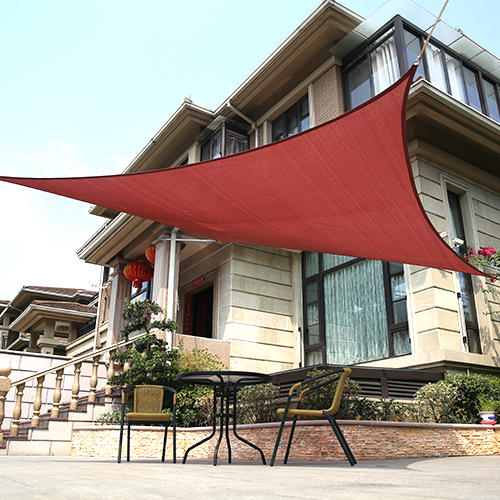
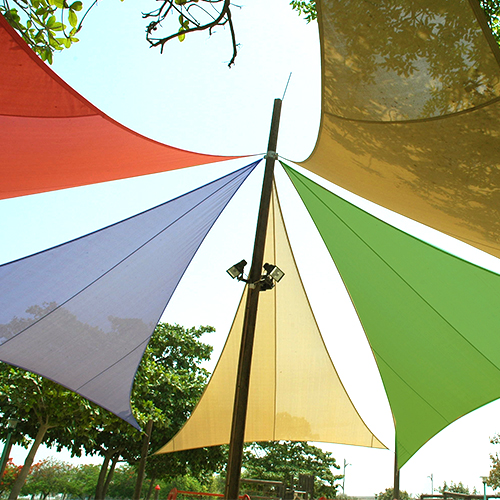
Customer expresses intent; Communicate between the two parties; Provide analysis reports to customers; Reach a cooperation intention.
Content
- 1 What Is A Canvas Carport And Why It Matters For Vehicle Protection
- 2 Fabric And Canopy Material Options Explained
- 3 Frame Construction: Steel, Aluminum, And Connection Hardware
- 4 Standard Canvas Carport Sizes And What They Fit
- 5 Installation Process And Ground Anchoring
- 6 Wind Load, Snow Load, And Weather Performance
- 7 Maintenance Practices That Extend Canopy Life
- 8 Cost Factors To Budget For
- 9 Canvas Carport Versus Metal Carport Versus Polycarbonate Canopy
- 10 How To Choose The Right Canvas Carport For Your Property
- 11 Frequently Asked Questions About Canvas Carports
- 11.1 How long does a canvas carport typically last?
- 11.2 Can a canvas carport be left up during winter?
- 11.3 Do canvas carports need a permit before installation?
- 11.4 What is the difference between a canvas carport and a tent garage?
- 11.5 How often should the canopy fabric be re-tensioned?
- 11.6 Is a canvas carport strong enough for coastal or high wind areas?
What Is A Canvas Carport And Why It Matters For Vehicle Protection
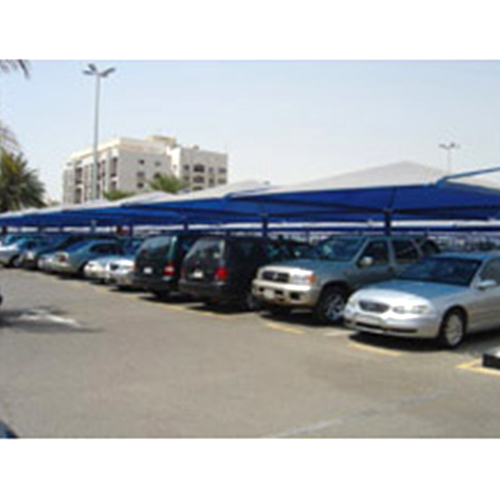
A canvas carport is a freestanding or attached shelter built from a metal or aluminum frame covered with a heavy-duty woven fabric skin, most commonly PVC coated polyester, PE tarpaulin, or ripstop canvas. Unlike a fully enclosed garage, a canvas carport leaves at least one or two sides open, which keeps airflow moving underneath the roof and around the vehicle while still blocking direct sun, rain, hail, and falling debris. The direct answer for most buyers comparing shelter options: a canvas carport gives roughly 70 to 85 percent of the protection value of a solid-roof structure at a fraction of the material cost and installation time, and it can usually be assembled in a single afternoon without pouring a concrete slab.
Buyers searching for this product are typically weighing three things at once: budget, portability, and how long the structure needs to last outdoors before the fabric needs replacing. A well-built canvas carport with a 600 to 900 gsm coated fabric and a hot dip galvanized steel frame will commonly hold up for 5 to 8 years of continuous outdoor exposure before the canopy needs recovering, while the frame itself can last well beyond a decade if the connections are kept tight and rust spots are treated early.
Fabric And Canopy Material Options Explained
The canopy is the single biggest factor in how long a canvas carport performs and how much upkeep it demands. Three fabric families dominate the market right now.
PVC Coated Polyester
This is the most common choice for mid-range and premium canvas carports. A polyester weave is laminated or coated on both sides with PVC, which blocks water completely and resists mildew far better than uncoated canvas. Weight typically ranges from 550 to 900 grams per square meter, and heavier weights correlate directly with tear resistance and wind performance.
Polyethylene (PE) Tarpaulin
PE fabric is woven from flat tape yarn and laminated on each face, making it lighter and less expensive than PVC polyester. It performs well for budget carports in mild climates but tends to stretch and sag faster under heavy rain pooling or snow load, so it suits regions with lighter precipitation.
Ripstop Canvas With UV Coating
Ripstop weaves use a grid reinforcement pattern that stops small tears from spreading into large rips. Combined with a UV stabilizing coating, this option holds color longer in intense sun exposure and is a strong pick for desert or high-altitude installations.
| Fabric Type | Typical Weight | Expected Outdoor Life | Best Suited Climate |
|---|---|---|---|
| PVC Coated Polyester | 550 to 900 gsm | 5 to 8 years | All climates, heavy rain, moderate snow |
| PE Tarpaulin | 180 to 280 gsm | 2 to 4 years | Mild, low precipitation regions |
| Ripstop UV Canvas | 300 to 500 gsm | 4 to 6 years | Strong sun, high UV exposure |
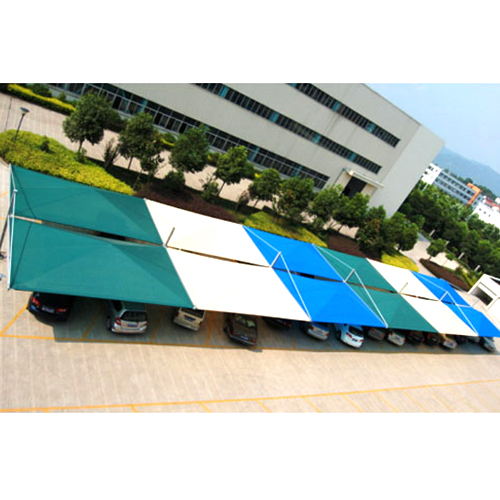
Frame Construction: Steel, Aluminum, And Connection Hardware
The frame carries the entire structural load, so its material and joinery matter as much as the fabric on top.
- Hot dip galvanized steel tubing, usually 25 to 32 millimeters in diameter, is the standard for mid and large carports because the zinc coating resists corrosion even where the surface gets scratched during assembly.
- Powder coated steel adds a cosmetic top layer over galvanized or bare steel, giving color options but requiring the coating to stay intact to keep protecting the metal underneath.
- Aluminum frames weigh roughly 40 percent less than steel of the same dimension and never rust, which makes them popular for portable or seasonal carports that get folded down and stored.
- Connection points, whether bolted brackets, ratchet straps, or push pin sliders, determine how quickly the structure can be assembled and how much it can be tightened after the fabric stretches during its first few weeks outdoors.
Frame footprint also affects wind stability. A carport with widely splayed legs and diagonal cross bracing resists lateral wind loading far better than a straight box frame, which is why cross braced steel frames remain the preferred structural design for open-sided canvas carports used in exposed driveway or farmyard locations.
Standard Canvas Carport Sizes And What They Fit
Sizing a canvas carport correctly avoids two common mistakes: buying something too tight for the vehicle door swing, or oversizing the canopy so the fabric flaps excessively in wind. The table below reflects typical dimensions used across the industry.
| Footprint | Typical Fit | Clearance Height |
|---|---|---|
| 3m x 6m | Single sedan or compact SUV | 2.1m to 2.4m |
| 3.6m x 7.2m | Full size truck or single bay plus storage | 2.4m to 2.7m |
| 6m x 6m | Two vehicles side by side | 2.4m to 2.7m |
| 6m x 12m | RV, boat, or farm equipment storage | 3m to 3.6m |
A useful rule of thumb: add at least 0.6 meters of width beyond the widest vehicle mirror to mirror measurement so doors can open fully, and add another 1 to 1.5 meters of length if the carport will also serve as a workspace or storage area for tools and equipment.
Installation Process And Ground Anchoring
Most canvas carports follow a similar assembly sequence, though larger structures benefit from a second person for the roof fabric stage.
Step By Step Assembly Overview
- Lay out and level the frame footprint, checking diagonal measurements to confirm the base is square before any vertical posts go up.
- Assemble the leg posts and roof trusses on the ground where possible, then raise the frame as a unit to reduce the number of overhead connections made at height.
- Fit the canopy fabric over the frame while it is still low, then tension the perimeter grommets or straps evenly from opposite corners rather than working around in one direction, which prevents uneven pulling.
- Anchor the base plates using ground augers for soil, wedge anchors for concrete, or weighted ballast blocks for temporary placements on pavement.
- Re-tension the fabric after the first week outdoors, since new canopy material typically stretches slightly once it experiences its first temperature swing and rain cycle.
For permanent installations, ground augers driven to a depth of 45 to 60 centimeters resist uplift far better than surface-mounted stakes, particularly in loose or sandy soil where wind can otherwise walk a lightweight frame sideways over time.
Wind Load, Snow Load, And Weather Performance
Weather rating is where buyers most often underestimate what they need. A canvas carport rated only for light duty use will underperform quickly once real storm conditions arrive.
Wind resistance: A properly cross braced and anchored frame with a mid-weight PVC canopy typically withstands sustained winds in the 80 to 100 km/h range before fabric stress becomes a concern, though gusts above that threshold call for rolling up open-sided panels if the model allows it.
Snow load: A peaked or arched roof sheds snow far more effectively than a flat canopy. Flat-roof canvas carports should not be left with more than 5 to 8 centimeters of accumulated snow without being cleared, since pooling water or wet snow adds weight quickly and can deform the fabric.
Rain and drainage: A canopy pitch of at least 10 degrees keeps water actively draining rather than pooling at the center, which is the single most common cause of premature fabric sagging in flat or near-flat carport designs.
Maintenance Practices That Extend Canopy Life
Routine care adds years to a canvas carport at almost no cost, yet it is the step most owners skip.
- Rinse the canopy with a garden hose every four to six weeks to remove dust, pollen, and bird droppings before they bond to the coating under UV heat.
- Clean mildew spots with a mild soap and soft brush rather than pressure washing, since high pressure can force water through stitching and grommet holes.
- Inspect grommets, ratchet straps, and bolted joints twice a year, tightening any connection that has loosened from thermal expansion and contraction.
- Touch up any scratched galvanized or powder coated frame section with a matching cold galvanizing spray as soon as bare metal is visible, since rust spreads fastest from small exposed points.
- Store or roll up removable canopy panels during extended periods of disuse to reduce cumulative UV exposure and extend total fabric lifespan.
Cost Factors To Budget For
Price varies widely depending on footprint, fabric grade, and frame material, but four factors consistently drive the final quote.
| Cost Factor | Impact On Price |
|---|---|
| Footprint size | Cost scales close to linearly with covered square meters |
| Fabric grade | Heavier PVC coated canopies cost more upfront but reduce recover frequency |
| Frame material | Aluminum adds cost over steel but removes rust related upkeep |
| Anchoring method | Permanent concrete anchoring adds labor cost versus ground auger or ballast setups |
Canvas Carport Versus Metal Carport Versus Polycarbonate Canopy
Choosing between shelter types comes down to how long the structure needs to serve and how much flexibility the owner wants.
| Feature | Canvas Carport | Metal Roof Carport | Polycarbonate Canopy |
|---|---|---|---|
| Relative cost | Lowest | Highest | Mid range |
| Portability | High, many models fold or disassemble | Low, typically permanent | Low to moderate |
| Light transmission | None, opaque fabric | None, opaque panel | High, translucent panels |
| Recover or replace cycle | Every 5 to 8 years | Rarely needed | 10 plus years typical |
Frequently Asked Questions About Canvas Carports
How long does a canvas carport typically last?
The frame commonly lasts 10 years or more when galvanized or aluminum, while the canopy fabric itself usually needs replacing every 5 to 8 years depending on fabric grade and sun exposure.
Can a canvas carport be left up during winter?
Yes, provided the roof pitch sheds snow and the owner clears any accumulation beyond 5 to 8 centimeters, since standing snow weight is the leading cause of canopy sagging in winter.
Do canvas carports need a permit before installation?
Requirements vary by location and by whether the structure is temporary or permanently anchored, so checking with the local building department before installation is the safest first step.
What is the difference between a canvas carport and a tent garage?
A canvas carport typically leaves one or more sides open for airflow and easy access, while a tent garage fully encloses the vehicle with zip-up fabric walls on all sides.
How often should the canopy fabric be re-tensioned?
New fabric should be checked and re-tensioned about one week after installation, then inspected every six months afterward as part of routine seasonal maintenance.
Is a canvas carport strong enough for coastal or high wind areas?
A cross braced steel frame with heavier gauge PVC coated fabric and deep ground anchoring performs well in most coastal conditions, though owners in cyclone-prone regions should confirm the specific wind rating with the supplier before purchase.

 浙公网安备 33068302000509号