 English
 日本語
日本語 русский
 Español

Customer expresses intent; Communicate between the two parties; Provide analysis reports to customers; Reach a cooperation intention.
Content
- 1 The Short Answer: Cheapest Ways to Get a Carport
- 2 Comparing Carport Types by Cost and Lifespan
- 3 Single-Car vs Two-Car: How Size Changes the Budget
- 4 Roof Style and How It Changes the Price
- 5 Frame Gauge: Where the Steel Budget Actually Goes
- 6 DIY Carport Kits That Cut Labor Costs
- 7 Budget-Friendly Material Choices
- 8 Creative Low-Cost Carport Ideas Beyond a Standard Kit
- 9 Common Mistakes That Quietly Inflate the Price
- 10 Site Choices That Quietly Lower the Final Bill
- 11 Maintenance Habits That Protect a Low-Cost Carport
- 12 Frequently Asked Questions
- 12.1 What is the cheapest material for a carport?
- 12.2 Is it cheaper to build a carport myself or hire an installer?
- 12.3 Can a carport be built on gravel instead of concrete?
- 12.4 How long does an affordable fabric carport typically last?
- 12.5 Does a smaller carport always cost less overall?
- 12.6 Which roof style should a budget carport use?
- 12.7 Can an existing wall be used to lower carport cost?
- 12.8 What steel gauge is reasonable for a budget carport?
The Short Answer: Cheapest Ways to Get a Carport
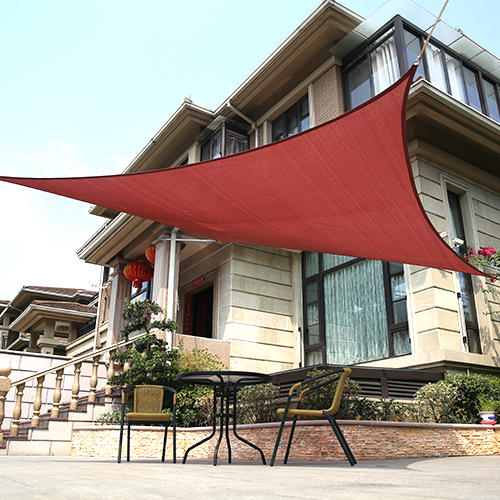
The most affordable carport ideas fall into three groups. A portable canopy carport made from a steel-tube frame and a tarp or polyester cover can be set up for a few hundred dollars and gives a vehicle short-term protection from sun and light rain. A bolt-together metal carport kit is the middle ground, typically running $8 to $20 per square foot installed, with a standard single-car unit landing somewhere between $3,000 and $10,000 depending on gauge, roof style, and region. A lean-to carport attached to an existing garage or shed wall is usually the cheapest permanent option because it borrows one structural side from a building you already own, cutting material use by roughly a quarter compared with a freestanding design.
Across all carport types, the national average sits around $6,280, with basic units starting near $400 and custom builds climbing past $25,000. If budget is the deciding factor, the fastest way to lower cost is to shrink the footprint to a single-car width, choose polycarbonate or fabric roofing over wood, and skip enclosed sides.
The rest of this guide breaks down exactly where that money goes, section by section, so a low-cost carport idea can be matched to the vehicle, climate, and site it actually needs to work with.
Comparing Carport Types by Cost and Lifespan
Before picking a carport idea, it helps to see how the main structural categories stack up side by side. Material choice usually swings the price more than size does, since polycarbonate and fabric covers cost far less per square foot than wood.
| Carport Type | Cost per Sq. Ft. | Typical Lifespan | Best For |
|---|---|---|---|
| Portable canopy carport | N/A (flat cost) | 2-5 years | Renters, temporary coverage |
| Polycarbonate panel carport | $12-$20 | 15-20 years | Light, budget-friendly permanent cover |
| Metal carport kit | $8-$20 | 20-30 years | Best overall value for a permanent build |
| Attached lean-to carport | $8-$18 | 20-30 years | Homes with an open exterior wall |
| Wood-frame carport | $15-$35 | 15-25 years | Matching an existing wood-sided home |
Notice that metal and lean-to designs occupy the lowest cost band while still lasting two decades or more, which is why most budget-focused carport ideas start with one of those two formats rather than wood.
Single-Car vs Two-Car: How Size Changes the Budget
Width is the single biggest cost multiplier on a carport, more than length. A structure that stretches from 12 feet wide to roughly 20 feet wide to cover two vehicles side by side does not just add square footage; it also demands heavier roof trusses to span the extra distance without sagging, which pushes the per-square-foot rate up along with the total area.
| Footprint | Coverage | Typical Installed Price |
|---|---|---|
| 12 x 20 ft | One vehicle | $2,400 - $7,200 |
| 18 x 20 ft | One vehicle plus storage | $3,200 - $9,000 |
| 20 x 20 ft | Two vehicles | $3,200 - $12,000 |
| 20 x 30+ ft | Two vehicles plus RV or boat | $5,000 - $15,000+ |
A practical budget trick is to build a single-car carport now and design the anchor layout so a second bay can be bolted on later. This spreads the cost over time instead of paying for two-car capacity before it is actually needed.
Roof Style and How It Changes the Price
Most metal carport kits offer a choice of three roof styles, and picking the right one for the climate keeps money from being spent on protection that is not actually needed.
Regular roof (horizontal panels)
This is the cheapest option, with rounded corners at the eaves and panels that run side to side. It is a reasonable choice in mild, dry climates but is not well suited to heavy snow, since seams can trap moisture and load.
Boxed eave roof (A-frame horizontal)
A modest step up in price, typically $300 to $800 more than a regular roof, this style adds squared, trimmed corners for a more finished look while keeping horizontal panels. It handles moderate rain reasonably well but still is not the top pick for snow-heavy regions.
Vertical roof (ridge to eave)
The most expensive of the three because it needs extra framing, but panels running from peak to edge let rain and snow slide off instead of pooling in seams. In any area seeing more than a light dusting of snow most winters, this upgrade is usually the better long-term value even on a tight budget, since it avoids repair costs from a roof that was underspecified for the climate.
Frame Gauge: Where the Steel Budget Actually Goes
Steel gauge describes how thick the metal tubing is, and it is one of the easiest places for a quote to get quietly cheaper or more expensive. Lower gauge numbers mean thicker, stronger steel. Most budget regular-roof and boxed-eave kits ship with 29-gauge roof panels, while sturdier vertical-roof kits commonly use 26-gauge panels.
Thinner framing keeps the sticker price down, and on a sheltered site with light wind exposure that can be a perfectly reasonable trade-off. On an open lot with nothing breaking the wind, though, thin framing is often the first thing regretted after a rough storm season, so it is worth asking directly what gauge a quoted price includes rather than assuming every "metal carport" listing means the same build quality.
A useful budgeting habit is to spend slightly more on frame gauge and slightly less on cosmetic add-ons like side panels or end walls, since the frame is what actually keeps the structure standing through weather while trim mostly affects appearance.
DIY Carport Kits That Cut Labor Costs
Labor is usually the second-biggest line item after materials, often adding 20 to 40 percent to a quote depending on region and crew availability. A bolt-together kit removes most of that cost because the steel arrives pre-cut, pre-drilled, and numbered, so two people with basic hand tools can raise a single-car frame in a weekend. A professionally installed carport of the same size commonly takes a crew one to two days for a small build and three to five days for a larger or attached one, and self-installing skips paying for that crew time entirely.
What to look for in a budget kit
- Pre-galvanized steel tubing rather than raw steel, since galvanized coating resists rust without needing a separate paint job
- A regular or boxed-eave roof profile if the climate is mild, reserving the vertical upgrade for snow-prone areas
- Ground anchors included in the base price rather than sold as an add-on
- A single-car width of around 12 feet, since doubling the width for a two-car layout adds meaningfully to both material and delivery cost
- Delivery included in the quoted price, which many prefab manufacturers bundle in to keep the sticker price competitive
- A clear list of what is excluded, since side panels, end walls, and ground hardware are frequently sold separately even when a base price looks all-inclusive
A general sense of the assembly sequence
Most owner-assembled kits follow a similar order: lay out and level the base footprint, set and anchor the corner posts, connect the horizontal base rails between posts, raise and bolt the roof trusses into place, then attach roof panels working from one end to the other so each panel overlaps the last. Doing the layout and anchoring carefully on day one is what determines how smoothly the rest of the build goes, since a frame that is even slightly out of square makes every following step harder.
A well-specified single-car metal carport kit purchased this way commonly lands in the $3,000 to $10,000 installed range, or noticeably less when the owner supplies the labor, which covers the large majority of standard configurations with a solid roof and minimal add-ons.
Budget-Friendly Material Choices
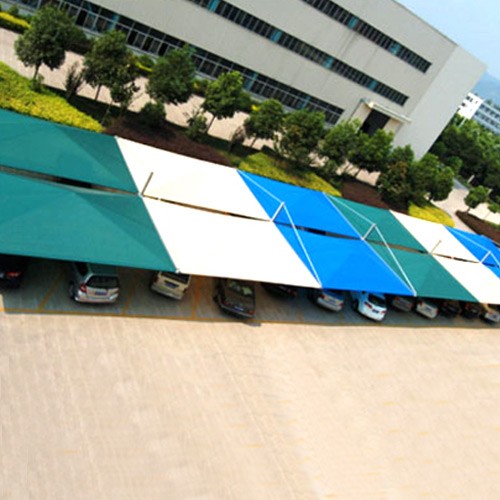
Material selection is the single biggest lever for keeping a carport idea affordable. Four options consistently come in under the cost of a wood build while still holding up to daily use.
Galvanized steel tubingThe zinc coating resists corrosion for decades, which keeps long-term upkeep costs near zero even in wet climates. |
Polycarbonate roof panelsLighter than metal sheeting, letting the frame use thinner supports while still blocking most UV rays and rain. |
PVC-coated fabricThe lowest upfront cost of any covering, well suited to portable and seasonal carport ideas rather than permanent shelter. |
Reclaimed or rough-sawn lumberCuts material spend on a wood-style carport by sourcing salvaged beams instead of milled dimensional lumber. |
Mixing categories often produces the best value: a galvanized steel frame paired with polycarbonate panels combines the durability of metal with the lower per-square-foot cost of a lightweight roof, which is why that pairing shows up in most budget carport listings.
Color and finish choices rarely change cost by more than a small percentage, so there is little budget reason to default to a plain white or gray panel if a manufacturer offers other standard colors at the same base price.
Creative Low-Cost Carport Ideas Beyond a Standard Kit
Beyond prefab kits, several unconventional approaches can trim cost further by reusing structures or materials already on the property.
- Convert a pergola frame by adding a rigid polycarbonate or metal roof cap to an existing pergola, turning a decorative structure into functional vehicle coverage.
- Use a fence line as one wall. Building a lean-to frame off a tall, sturdy fence section removes the need for one full set of vertical posts.
- Extend an existing roofline. Tying a shallow-pitch carport roof directly into the eave of a house or shed reduces both framing lumber and roofing material.
- Choose a retractable fabric canopy for climates with mild winters, since a retractable system avoids the wind and snow load bracing that adds cost to a fixed roof.
- Repurpose a carport kit meant for RVs or boats at a slightly smaller width, since these kits are mass-produced in bulk and often priced lower per square foot than car-specific listings.
- Build a two-post cantilever roof anchored to a single side, which uses roughly half the vertical posts of a standard four-post carport by letting the roof overhang unsupported on one edge.
- Source a secondhand or display-model kit directly from a manufacturer's lot, since floor samples and cancelled custom orders are sometimes sold at a discount off the standard listed price.
None of these ideas require premium materials; they simply reduce the amount of new structure that needs to be built from scratch.
Common Mistakes That Quietly Inflate the Price
A handful of easy-to-miss decisions push a quote well past what the base carport idea should cost. Watching for these keeps a budget build from turning into a mid-range one by accident.
- Oversizing "just in case." Adding a few extra feet of width or length to leave room for a future vehicle adds cost immediately for a benefit that may never be used.
- Choosing enclosed sides by default. Full or partial side panels add material and labor even when the main goal is simply roof coverage over a vehicle.
- Skipping the anchor comparison. Concrete anchoring generally costs more than earth auger or rebar anchoring for a lightweight metal carport, yet quotes do not always default to the cheaper compatible option.
- Ordering extra leg height without a reason. Taller posts use more steel and add wind exposure; standard height is enough unless a taller vehicle genuinely requires the clearance.
- Ignoring delivery distance. Kits ordered from a manufacturer far outside a normal delivery radius can carry a noticeably higher freight charge than a comparable kit from a closer supplier.
Reviewing a quote line by line against this list before signing off is often enough to trim several hundred dollars without changing the core design.

Site Choices That Quietly Lower the Final Bill
Two site decisions affect price as much as the structure itself. A compacted gravel base costs a fraction of a poured concrete slab and is sufficient for most portable and lightweight metal carports, reserving concrete for heavier wood or enclosed builds. Orientation matters too: positioning the open side of a carport away from the prevailing wind direction reduces the wind load the frame has to resist, which can mean using a lighter, cheaper gauge of steel instead of upgrading to reinforced bracing.
Flat, already-graded ground near an existing driveway also cuts site prep time, since grading and leveling charges can otherwise add several hundred dollars to a project before the carport itself goes up.
Distance from the house matters for a different reason: placing the carport close enough to tie into an existing driveway apron avoids the cost of pouring new approach paving just to reach it.
Maintenance Habits That Protect a Low-Cost Carport
An affordable carport still needs to earn out its lifespan, and a handful of simple habits keep a budget build performing close to a premium one.
- Rinse fabric or polycarbonate roofing twice a year to remove pollen and debris that trap moisture against the surface
- Check anchor bolts and ground stakes each spring, since seasonal ground movement can loosen them over time
- Touch up any scratched galvanized coating quickly with a matching zinc-rich paint to stop rust before it spreads
- Trim overhanging branches so falling debris does not puncture fabric or polycarbonate panels
- Clear snow buildup on flat or low-pitch roofs promptly rather than letting weight accumulate over several storms
- Re-tighten roof panel fasteners once a year, since wind flex can gradually work bolts loose on a lighter-gauge frame
- Wash road salt or coastal salt spray off lower posts more often in winter or near the coast, since salt accelerates corrosion faster than plain rain
These habits cost almost nothing in time or materials, yet they are the main reason a budget metal carport can still reach the 20 to 30 year lifespan typical of the category.

Frequently Asked Questions
What is the cheapest material for a carport?
PVC-coated fabric over a steel-tube frame is the lowest upfront cost, useful for temporary or seasonal coverage. For a permanent structure, polycarbonate roofing paired with a galvanized steel frame is the cheapest combination that still lasts 15 to 20 years.
Is it cheaper to build a carport myself or hire an installer?
A bolt-together kit assembled by the owner can save most of the labor portion of a quote, which often represents 20 to 40 percent of total cost. Kits designed for owner assembly include pre-drilled parts and step-by-step instructions specifically to make this practical for two people over a weekend.
Can a carport be built on gravel instead of concrete?
Yes, for lightweight metal and portable carports a compacted gravel base is a common and much cheaper alternative to a poured slab. Heavier wood-frame or enclosed carports generally benefit from a concrete footing for long-term stability.
How long does an affordable fabric carport typically last?
Most fabric or canopy carports last two to five years before the cover needs replacing, depending on sun exposure and wind conditions. Many manufacturers sell replacement covers separately, which extends the frame's usable life well beyond the fabric itself.
Does a smaller carport always cost less overall?
Generally yes, since both material and delivery costs scale with footprint. However, going below a comfortable single-car width can end up wasting money if the carport no longer fully protects the vehicle from angled rain or sun, so matching size to actual need matters more than minimizing size alone.
Which roof style should a budget carport use?
A regular or boxed-eave roof is the cheaper choice and works well in mild, dry climates. In areas with regular snowfall, spending the extra amount for a vertical roof is usually worthwhile since it sheds snow and rain instead of trapping it in the panel seams.
Can an existing wall be used to lower carport cost?
Yes. A lean-to design that attaches to a garage, shed, or house wall uses that wall as one structural side, which typically reduces material use by around a quarter compared with a freestanding, four-sided carport of the same footprint.
What steel gauge is reasonable for a budget carport?
Standard 29-gauge panels on a regular or boxed-eave roof are adequate for sheltered sites with mild wind exposure. Open, unsheltered lots or areas with strong seasonal wind generally hold up better with the heavier 26-gauge panels typically paired with vertical-roof kits, even on a tighter budget.

 浙公网安备 33068302000509号