 English
 日本語
日本語 русский
 Español

Customer expresses intent; Communicate between the two parties; Provide analysis reports to customers; Reach a cooperation intention.
Content
- 1 How Long Does a Carport Last? The Direct Answer
- 2 Carport Lifespan by Material: Steel, Aluminum, and Wood Compared
- 3 How Roof Style Affects Carport Longevity
- 4 The Role of Foundation and Installation Quality
- 5 How Climate and Geography Shorten — or Extend — Carport Life
- 6 Maintenance Practices That Add Years to Your Carport
- 7 Signs Your Carport Is Approaching the End of Its Useful Life
- 8 Comparing Carport Longevity to Garage Longevity
- 9 What a Carport Warranty Tells You About Expected Lifespan
- 10 Practical Guidance: Getting the Most Years Out of Your Carport Investment
How Long Does a Carport Last? The Direct Answer
If you are trying to decide whether a carport is worth the investment, start here: a well-built metal carport typically lasts between 20 and 40 years, and in favorable conditions, quality steel structures can push past 60 years. Wooden carports sit at the lower end of the scale — roughly 10 to 15 years with proper treatment, and as few as 5 to 7 years without it. The type of material you choose is the single biggest variable in the entire equation.
That wide range — 5 years on the low end, 60 years on the high end — exists because a carport is not just a product. It is also a system that includes the quality of raw materials, the skill of the installation crew, the local climate, and how consistently the owner looks after it. Get all four right and your carport structure will outlive multiple vehicles parked underneath it. Get one badly wrong and you will be shopping for a replacement within a decade.
This article breaks down every factor that affects carport longevity, gives you concrete numbers for each material type, and tells you exactly what to do — and what to avoid — if you want to maximize the years you get out of your covered parking structure.
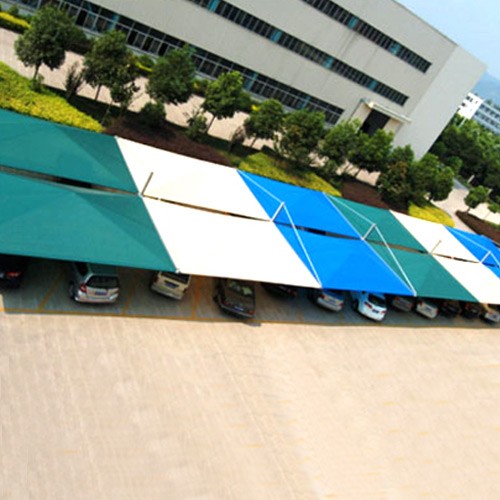
Carport Lifespan by Material: Steel, Aluminum, and Wood Compared
The frame material sets the ceiling on how long your carport can realistically survive. Every other variable — maintenance, climate, foundation — operates within that ceiling. Here is how the three most common materials stack up.
Galvanized Steel Carports
Galvanized steel is the dominant choice in the carport market, and for good reason. The galvanization process coats the steel in a layer of zinc that bonds metallurgically to the base metal, creating a barrier that resists moisture, oxidation, and surface damage far better than bare painted steel. A quality galvanized steel carport, properly installed and maintained, will routinely hit the 20-to-40-year mark. Structures built to commercial-grade specifications — heavier gauge steel, stronger welds, deeper anchor footings — have been documented lasting over 50 years in dry inland climates.
The weak point for galvanized steel is coastal exposure. Salt air accelerates the breakdown of the zinc coating, and in regions within a mile or two of the ocean, a steel carport that would last 35 years inland might degrade meaningfully in 15 to 20 years without additional anti-corrosion treatment. If you live near the coast, look for carports rated specifically for coastal environments, which typically use thicker galvanization or add a powder-coat finish over the zinc layer.
Aluminum Carports
Aluminum does not rust — that is its headline advantage. Where steel forms iron oxide when moisture penetrates the coating, aluminum forms a thin layer of aluminum oxide that actually seals the surface and slows further corrosion. This makes aluminum carports a logical choice for humid climates, coastal properties, and areas that receive significant rainfall. A typical aluminum carport structure carries an expected lifespan of 15 to 25 years.
The trade-off is structural strength. Pound for pound, aluminum is weaker than steel. An aluminum carport of the same dimensions as a steel one will typically require thicker-gauge framing to achieve equivalent load ratings, which raises cost. In regions with heavy snow loads — anything above roughly 20 pounds per square foot — galvanized steel is usually the more practical choice because it can handle the compressive stress more efficiently.
Wooden Carports
Wood offers aesthetic warmth that metal cannot match, and a treated timber carport integrates naturally with traditional home architecture. The functional lifespan, however, is considerably shorter. With regular staining, sealing, and pest treatment, a quality wooden carport structure can last 10 to 15 years. Without that ongoing care, you may be looking at replacement in as little as 5 to 7 years, particularly in wet climates where rot and fungal damage accelerate dramatically.
Termites are a specific and serious concern in warmer states. An untreated or inadequately treated wooden carport in the southeastern United States, for example, can sustain significant structural damage from termite colonies within 3 to 5 years. If you choose wood for aesthetic reasons, factor in the cost of annual treatment and inspections as a real, recurring line item — not an optional extra.
| Material | Expected Lifespan (Maintained) | Lifespan (Neglected) | Best Climate Fit |
|---|---|---|---|
| Galvanized Steel | 20–40+ years | 10–15 years | Dry, inland, high snow areas |
| Aluminum | 15–25 years | 10–15 years | Coastal, humid, moderate loads |
| Treated Wood | 10–15 years | 5–7 years | Dry climates, low pest pressure |
How Roof Style Affects Carport Longevity
The shape of your carport roof is not just an aesthetic decision. It has a measurable effect on how long the entire structure stays structurally sound, because it determines how efficiently water, snow, and debris leave the surface.
Vertical Roof (Boxed-Eave Style)
A vertical roof — where the panels run from the ridge down to the eaves rather than horizontally across the span — is the longest-lasting configuration available for metal carports. The vertical orientation means water and snow shed off immediately under gravity without pooling in panel seams. This dramatically reduces moisture contact time on the metal surface, which is the primary driver of corrosion. Vertical roof carports also incorporate additional internal framing components, including hat channels and ridge caps, that add rigidity to the whole structure.
The performance difference is most visible in snowy climates. A horizontal-panel carport in a region that receives 50 or more inches of snow per year may show stress deformation in the roof panels within 8 to 12 years. The same carport built with a vertical roof configuration, rated to the appropriate local snow load, can maintain full structural integrity for 25 years or longer under identical conditions.
A-Frame (Boxed-Eave) Roofs
A-Frame or boxed-eave carports use horizontal panels arranged in a peaked shape. The peak helps with drainage compared to a flat roof, but the horizontal panel seams still create points where water can collect and sit. In mild climates — low annual rainfall, no snow, no high humidity — an A-frame carport is a cost-effective choice with a reasonable lifespan of 15 to 25 years for a quality steel model. In harsher climates, the same structure may need panel replacement or significant maintenance work within 10 to 15 years.
Flat and Fabric Roofs
Flat-roof metal carports and fabric-covered shade structures represent opposite ends of the durability spectrum. A properly built flat-roof steel carport with adequate drainage outlets can last 20 years, but any obstruction to those drains — leaves, debris, bird nests — creates immediate standing water risk. Fabric carports, including polyethylene or canvas structures, are the shortest-lived of all. Even UV-treated polyethylene fabric typically degrades within 5 to 10 years, fading, cracking, or tearing under direct sun exposure. These structures are best treated as semi-permanent rather than permanent covered parking solutions.
The Role of Foundation and Installation Quality
A structurally perfect carport frame installed on a poor foundation will fail years before its time. The foundation is what transmits the carport's load — including wind uplift, snow weight, and the dynamic forces of vehicles moving in and out — safely into the ground. When that load path is compromised, the entire structure ages faster and unevenly.
Concrete slabs are the gold standard for carport foundations. A properly poured concrete pad with adequate thickness — typically 4 inches for residential use, 6 inches for heavier vehicles — provides a stable, moisture-resistant base that keeps the carport frame level for decades. Anchor bolts set into the concrete during the pour create a rigid connection between the structure and the slab that resists wind loads far more effectively than surface-mounted anchor systems.
Gravel and compacted aggregate bases are acceptable alternatives for lighter structures, but they carry a meaningful risk over time: settling. As the ground shifts with freeze-thaw cycles or rainfall saturation, gravel bases can develop low spots that cause the carport frame to rack — pulling joints out of square and stressing connections that were designed to carry vertical loads, not lateral ones. A carport installed on a well-prepared gravel base might last 15 to 20 years before needing re-leveling; the same carport on concrete can go 30+ years with no foundation-related maintenance.
Installation quality is equally critical. Incorrectly torqued bolts, misaligned posts, or frames that are not perfectly plumb create chronic stress concentration points. Over years of wind loading and thermal expansion and contraction, those stress points develop micro-fatigue that eventually leads to cracking or joint failure. Most reputable carport manufacturers require or strongly recommend professional installation specifically to maintain warranty coverage — a direct acknowledgment that poor installation is the most common cause of premature structural failure.
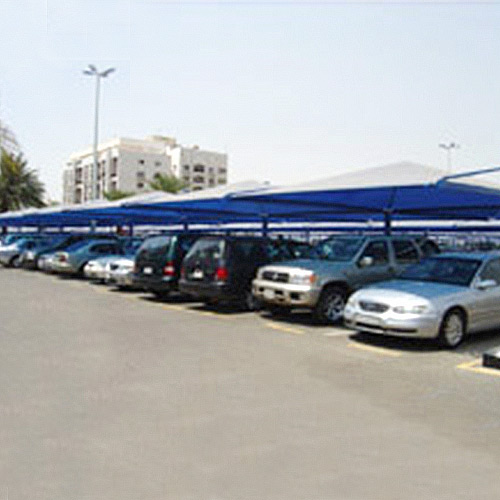
How Climate and Geography Shorten — or Extend — Carport Life
Where you live is not something you can change, but understanding its effect on your carport helps you make smarter choices about materials, coatings, and maintenance frequency.
Coastal Environments
Salt air is corrosive to virtually all metals, including galvanized steel. The chloride ions in sea spray penetrate micro-pores in protective coatings and accelerate the electrochemical reaction that causes rust. Within one to three miles of the ocean, a standard galvanized steel carport that would last 35 years in an arid inland location might start showing surface rust within 8 to 10 years. For coastal applications, the practical choices are aluminum frames (which resist chloride corrosion far better than steel), stainless steel hardware throughout, or galvanized steel with a heavy-duty powder-coat finish applied over the zinc layer. With the right specification, even a coastal carport can achieve a 20-to-25-year service life.
High-Snow Regions
Snow load is measured in pounds per square foot, and the numbers add up fast. Fresh snow weighs roughly 3 to 7 lb/sq ft; wet, compacted snow can reach 20 lb/sq ft or more. A standard residential carport spanning 20 feet wide by 20 feet deep presents 400 square feet of roof area. At 20 lb/sq ft, that is 8,000 pounds of compressive load — 4 tons — sitting on a structure that may be rated for far less. Carports used in snow country must be specified to the local ground snow load, which is published in the building code for every jurisdiction in the United States. Using a carport not rated for your local snow load is not just an insurance and code problem — it is a structural failure waiting to happen, and it will shorten the carport's useful life dramatically.
High-Humidity and Tropical Regions
Constant humidity — above 70 to 80 percent relative humidity year-round — maintains a persistent thin film of moisture on metal surfaces. Even with protective coatings, that film works its way into scratches, riveted joints, and weld points. Galvanized steel in tropical Florida or coastal Louisiana will age faster than the same product in dry New Mexico. Aluminum and regularly re-coated steel are the better choices in these climates, and maintenance intervals should be shortened to annual inspections rather than the every-two-years schedule that works in drier regions.
Dry, Arid Climates
Arid climates are where metal carports genuinely shine. Low humidity, infrequent rainfall, and no salt exposure create the conditions where galvanized steel can reach its theoretical maximum service life. Carports installed in Arizona, Nevada, and the drier parts of California or Colorado routinely last 35 to 50 years with only basic maintenance. The main concern in arid climates is UV degradation of coatings and sealants, which can cause surfaces to chalk and fade — an aesthetic issue rather than a structural one, but worth addressing with periodic recoating to maintain the protective layer beneath.
Maintenance Practices That Add Years to Your Carport
Regular maintenance is the variable most entirely within an owner's control, and it makes a bigger difference than most people expect. The following tasks are not complex or expensive — but skipping them consistently is the most reliable way to cut a carport's potential lifespan in half.
- Annual inspection: Walk the entire structure at least once a year — more often after major storms. Look for rust spots, loose or missing fasteners, deformed roof panels, and any movement in anchor points. Catching a small rust patch and touching it up with manufacturer-matched paint costs a few dollars and 20 minutes. Letting it spread to structural members can mean a repair bill in the thousands.
- Cleaning twice per year: Rinse the entire carport with a garden hose or pressure washer set to a low-pressure fan tip. Remove accumulated leaves, pollen, dirt, and any biological growth like moss or lichen, which can hold moisture against the metal surface for weeks at a time. Pay particular attention to the roof-to-wall junctions and the base of each post, where debris and moisture collect most persistently.
- Touching up scratches immediately: Every scratch in a protective coating is a potential rust initiation site. A carport used daily for vehicle parking will accumulate scratches from doors, bumpers, and tools. Address them within a few weeks of occurrence — not months later — with touch-up paint from the original manufacturer.
- Checking and tightening anchor bolts: Post anchor bolts work loose over time through thermal expansion cycles and vibration from wind. A loose anchor allows micro-movement of the post base, which transfers stress up the column and into roof connections. Check bolt torque once a year and after any major wind event.
- Managing drainage around the base: Keep soil, mulch, and plant material away from the base of carport posts. Any material that stays wet against a steel post base — even a galvanized one — creates a persistent corrosion risk. Maintain a 6-inch clear zone of gravel or concrete around every post.
- Clearing snow from the roof: In heavy-snow regions, do not assume the carport roof will handle an extreme snow event. Use a soft-bristle roof rake from ground level to pull snow off the leading edge of the roof after any accumulation above 6 to 8 inches. Avoid using metal tools that can scratch the protective coating.
- Applying protective coatings on wooden carports: Wooden carport frames should be re-sealed with a penetrating wood preservative or exterior-grade stain every 2 to 3 years, and inspected for termite activity annually. In areas with high termite pressure, a professional pest inspection every year is a cost-effective precaution compared to replacing structural members.
Signs Your Carport Is Approaching the End of Its Useful Life
Even with attentive maintenance, carports eventually reach the point where repair costs exceed the value of continuing to patch an aging structure. Recognizing the warning signs early helps you plan a replacement before a structural failure causes damage to your vehicle or creates a safety hazard.
Structural Indicators
Visible bowing or deflection in roof purlins or main beams is the most serious red flag. A beam that has developed a permanent set — meaning it no longer returns to its original straight profile after a snow load melts — has experienced plastic deformation and is permanently weakened. Any visible cracking at welded joints, particularly at the column-to-beam connections, indicates fatigue failure and requires immediate professional assessment. Do not continue using a carport with cracked structural welds.
Corrosion Indicators
Surface rust that wipes off with a cloth and leaves clean metal underneath is cosmetic and manageable. Rust that is pitted — meaning the corrosion has eaten into the metal surface — is structural. A column or beam that shows pitting rust has reduced cross-sectional area and therefore reduced load capacity. When pitting appears on primary structural members, the carport is approaching the end of its safe service life regardless of its nominal age.
Foundation Indicators
If you can visually observe that one or more columns are no longer plumb — leaning noticeably away from vertical — the foundation under that column has settled or the anchor has pulled. A modest lean of less than half an inch over the full height of the column might be correctable. A lean of an inch or more, or any lean accompanied by cracking at the base plate, generally means the carport needs professional evaluation before continued use, and likely replacement.
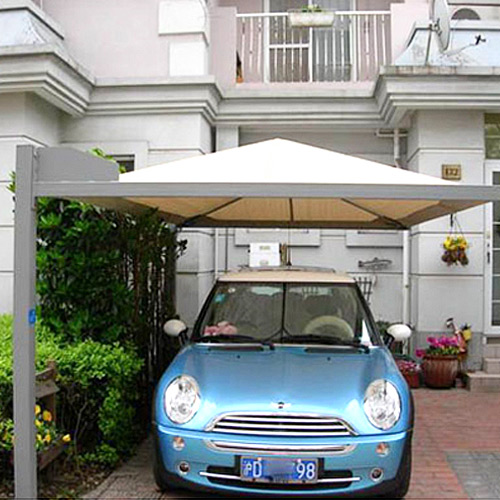
Comparing Carport Longevity to Garage Longevity
Homeowners frequently weigh the question of a carport versus a fully enclosed garage, and lifespan is a legitimate factor in that comparison. A properly constructed metal garage — with enclosed walls, insulated panels, and a heavier structural specification than an open carport — typically achieves a service life of 30 to 50 years, with some commercial-grade steel buildings documented at 60 years or more.
The key difference is that an enclosed garage protects its own structural members from weather in a way an open carport cannot. A carport's columns, beams, and roof panels are all directly exposed to the elements, whereas a garage's interior framing is sheltered by its own envelope. That said, a high-quality metal carport with vertical roof panels and proper maintenance can achieve 35 to 40 years of service — competitive with a budget-grade enclosed garage — at a substantially lower initial cost. For owners in mild climates who primarily need vehicle protection rather than full enclosure, the value proposition of a quality carport remains strong.
What a Carport Warranty Tells You About Expected Lifespan
The warranty that comes with a carport is not just a consumer protection document — it is also an honest signal from the manufacturer about how long they expect their product to hold up. A manufacturer who offers a 20-year structural warranty is implicitly stating that they have enough confidence in their product to back it financially for two decades. A company that offers a 1-year or 2-year structural warranty on a steel carport is telling you, in contractual terms, that they do not expect the structure to perform reliably beyond that window.
Read warranty terms carefully. Quality carport manufacturers typically separate the structural warranty — covering the frame against manufacturing defects and load-related failures — from the finish warranty, which covers the protective coating against peeling, chalking, or fading. Structural warranties of 15 to 25 years are common from established manufacturers. Finish warranties of 10 to 15 years are reasonable for powder-coat or Kynar-coated panels. If a manufacturer bundles everything into a single short warranty or uses vague language about "normal conditions," treat that as a quality signal and investigate further before purchasing.
It is also worth noting that most structural warranties are voided by DIY installation, unauthorized modifications, or failure to maintain the structure according to the manufacturer's guidelines. If you plan to self-install to save money, understand that you may be accepting full financial responsibility for any structural issue that develops — even one caused by a manufacturing defect — if your contract specifies professional installation as a condition of warranty coverage.
Practical Guidance: Getting the Most Years Out of Your Carport Investment
Pulling together everything covered above, here is a practical summary for anyone buying a new carport or trying to extend the life of an existing one:
If You Are Buying New
- Choose galvanized steel as your default material unless you are within two miles of the ocean, in which case aluminum or coastal-rated steel is worth the premium.
- Specify a vertical roof if you receive any meaningful snow or rain — the additional cost over a horizontal-panel roof is typically 10 to 15 percent and is repaid many times over in reduced maintenance and longer service life.
- Pour a concrete slab foundation if your budget allows. The concrete cost is usually between $4 and $8 per square foot for a standard residential pad — a modest addition to the total project cost that pays dividends across the full lifespan of the structure.
- Verify the carport is rated to your local wind and snow loads before purchasing. Check your local building code or use your county's published ground snow load map — do not rely on a salesperson's assurance.
- Use professional installation and keep the paperwork. The installation record is your proof of compliance if a warranty claim becomes necessary.
If You Own an Existing Carport
- Do a thorough inspection today if you have not done one in more than 12 months. Photograph any rust spots, deformed panels, or loose connections so you have a baseline for tracking changes over time.
- Address rust immediately. Touch up small spots with manufacturer-matched primer and paint the same season you find them.
- Clean the roof and gutters before the rainy season and again in spring to remove debris that accumulated over winter.
- If the carport is more than 15 years old and showing signs of pitting corrosion, get a professional structural assessment before the next heavy snow or wind season. An independent opinion from a structural engineer costs a few hundred dollars and can tell you definitively whether repair or replacement is the smarter path.
- If you have a wooden carport more than 12 years old, probe the post bases with a screwdriver. If the wood feels soft or spongy, the posts are likely compromised by rot and the structure needs assessment before continuing to park vehicles underneath it.

 浙公网安备 33068302000509号